
Ethical Protection & Animal Welfare
What Can VETERISPHERE Contribute to the Ethical Management of Animal Populations?
In certain fields, managing animal populations does not directly aim to produce scientific knowledge but still requires expertise in ethics, animal protection, and welfare. These sectors include managing populations for public health reasons, environmental preservation, and respecting animal rights.
Control of Animal Populations
Managing animal populations in urban areas (pigeons, rats, stray cats, homeless dogs) aims to preserve hygiene, safety, and public well-being. However, the methods employed can be cruel (poisoning, culling), highlighting the importance of an ethical approach inspired by the One Welfare concept. Similarly, invasive exotic species introduced by humans threaten local biodiversity. Their control may require drastic measures, but more respectful alternatives (trapping, sterilization, reintroduction) are encouraged. These issues often originate from human actions (animal abandonment, urbanization, introduction of non-native species), underscoring the need to better regulate our practices to limit the impact on wildlife and ecological balance.

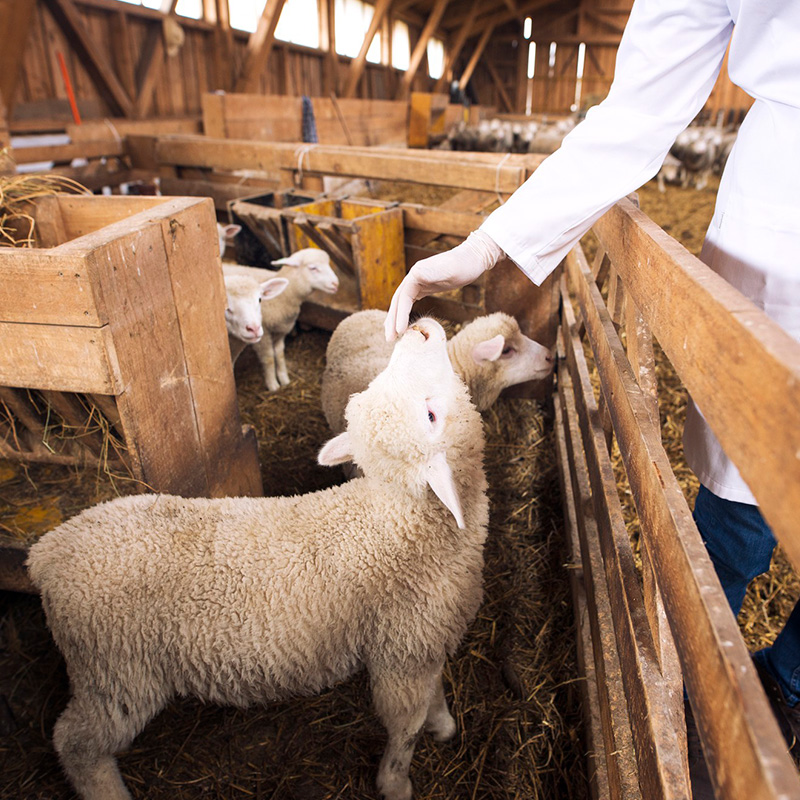
Livestock and Fishing Industries
The current state of animal welfare in the agri-food sector is gradually improving due to growing consumer awareness, regulatory initiatives, and the involvement of many professionals.
The main aspects criticized today include the living conditions of intensively farmed animals, stressful and painful handling, slaughter methods, and commercial fishing practices. It's essential to adopt a One Welfare approach in this field, considering the constraints of farmers and fishing professionals to address issues globally and provide sustainable solutions.
Biodiversity Conservation: Caring for Wild Animals
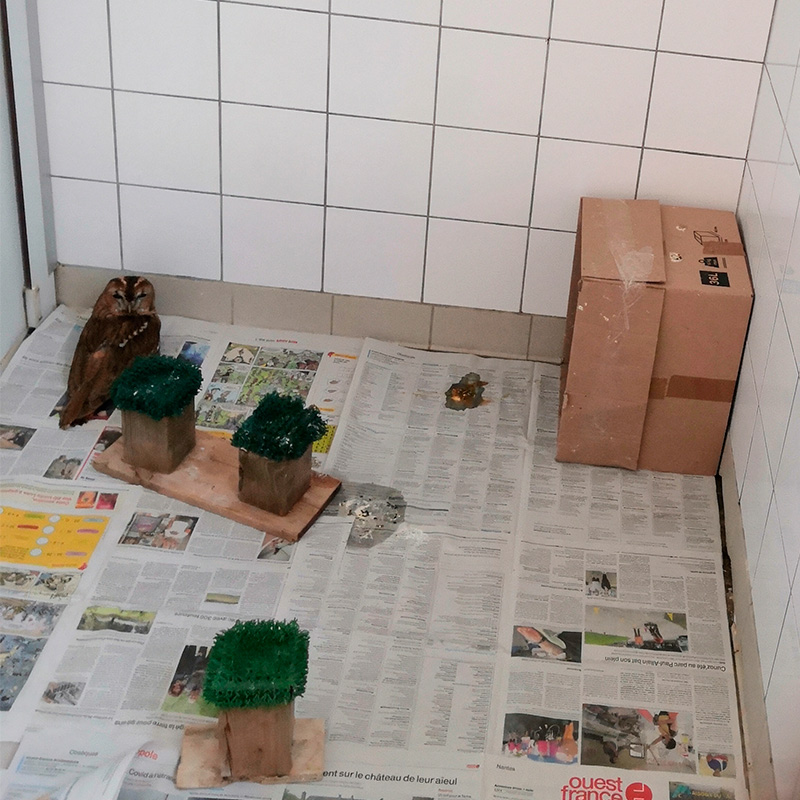
When a wild animal is injured, ill, or endangered, care and reintroduction programs are often implemented.
In rescue centers, veterinarians have complementary roles to permit holders due to their initial training in animal medicine and health. They ensure that care is tailored to species and provided ethically, stress is minimized, and release processes into the wild consider their natural needs and survival chances.
Additionally, for animals found dead or moribund, necropsies and analyses can be conducted to determine causes of death, serving various purposes like biodiversity conservation and public health.
Captivity Industry and Animal Leisure
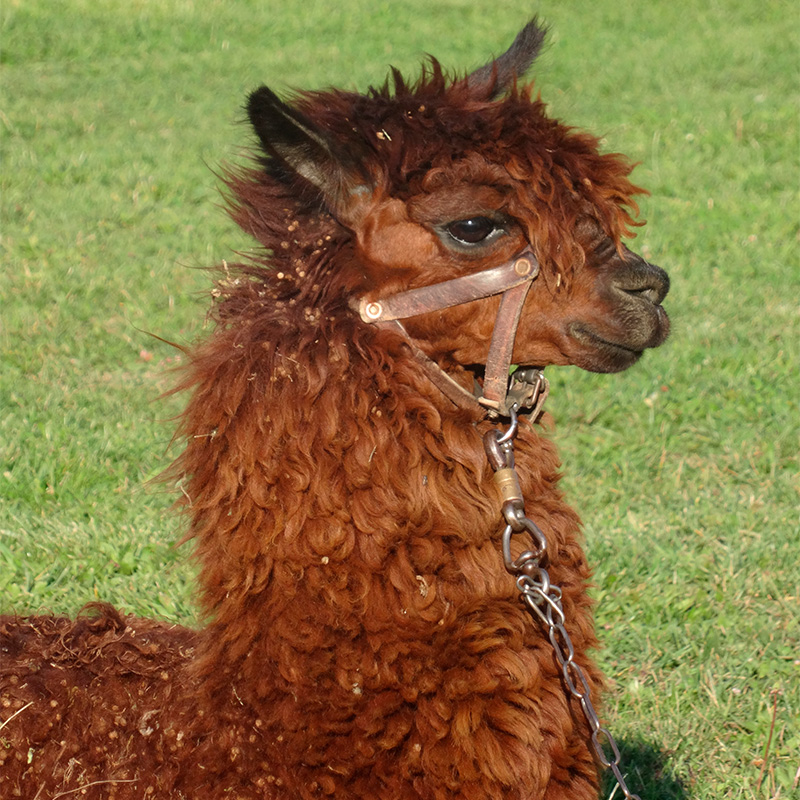
Zoos, aquariums, circuses with animals, leisure centers, and other animal captivity venues pose significant ethical challenges. In these contexts, the goal is often recreational or educational rather than scientific.
Animal welfare experts play a crucial role in ensuring that facilities, care, and practices respect the biological and behavioral needs of animals. They promote enriched habitats and, in some cases, rehabilitation programs for captive animals to reintroduce them into their natural environment when possible.
Today, standardized methods exist to monitor the welfare of captive animals through behavioral tracking models (ethograms, preference and motivation tests), physiological indicators (hormonal measurements, heart and respiratory rates), and health assessments (body condition scores, clinical exams). These methods evaluate living conditions and suggest areas for improvement.
SERVICES
VETERISPHERE aims to provide support and assistance to professionals in ethics and animal welfare.
SCIENTIFIC AND TECHNICAL SERVICES
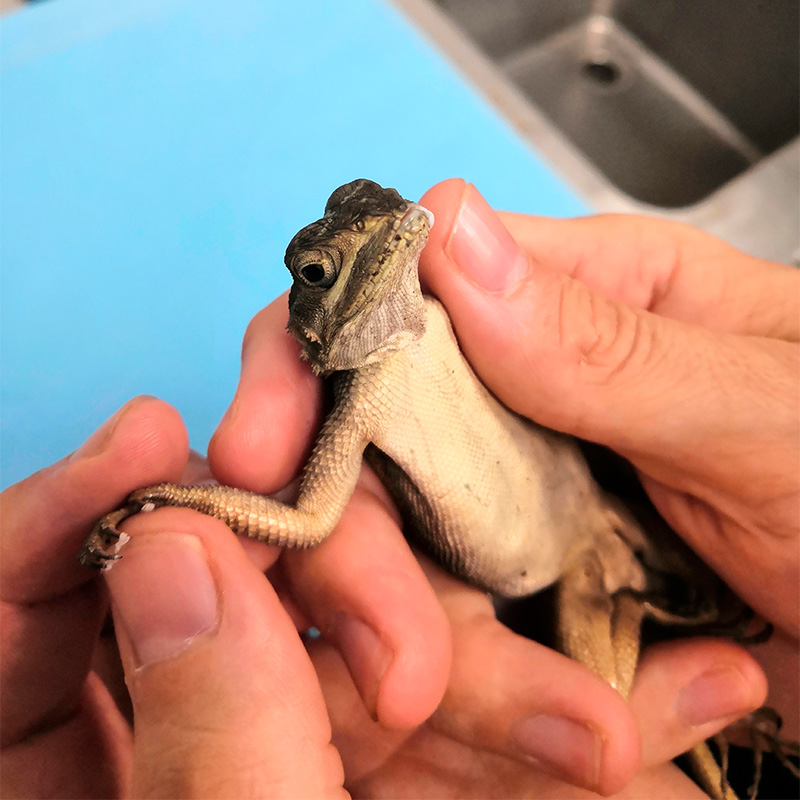
Our theoretical and technical expertise allows us to intervene in various areas: project design involving in vivo studies, implementation of experimental procedures, establishment of specific animal models, studies of functional disorders, etc.
Implementation of programs with a One Welfare approach
Development of ethical monitoring protocols in management programs
VETERINARY SERVICES
The veterinarian plays a crucial role in animal population management activities due to their initial training in animal health and medicine. The involvement of veterinarians in management plans provides an animal-centered perspective and helps establish legitimacy with institutions and the public.
Conducting veterinary necropsies
Improving programs for the management of free-ranging wildlife
Enhancing programs for the management of invasive exotic species
Developing care protocols for free-ranging wildlife in rehabilitation centers

OUR TRAININGS
VETERISPHERE offers two types of training tailored to your needs: