
Studies of Free-Ranging Wild Fauna
What Can VETERISPHERE Contribute to the Study of Free-Ranging Wild Fauna?
The need for research on free-ranging wild fauna is growing due to current ecological concerns and public health issues. Expertise in animal health and welfare is crucial for ethical, scientific, and legal reasons.
Adherence to Ethical Standards and Regulatory Compliance
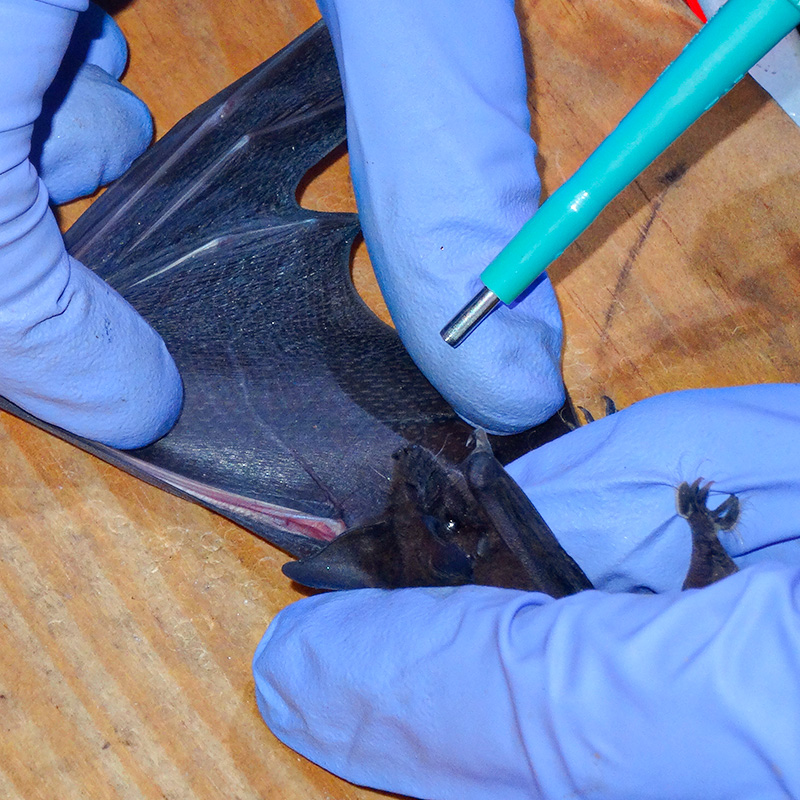
The study of free-ranging wild fauna may involve the use of animals for scientific purposes. As with in vivo biomedical research, this activity must adhere to a strict legal framework, which in Europe is governed by Directive 2010/63/EU. Professionals must ensure that projects comply with the ethical principles of the 3Rs, which aim to Reduce the number of animals used as much as possible, Replace animal procedures with non-invasive methods, and Refine procedures to minimize animal stress.
Behavioral Studies and Welfare
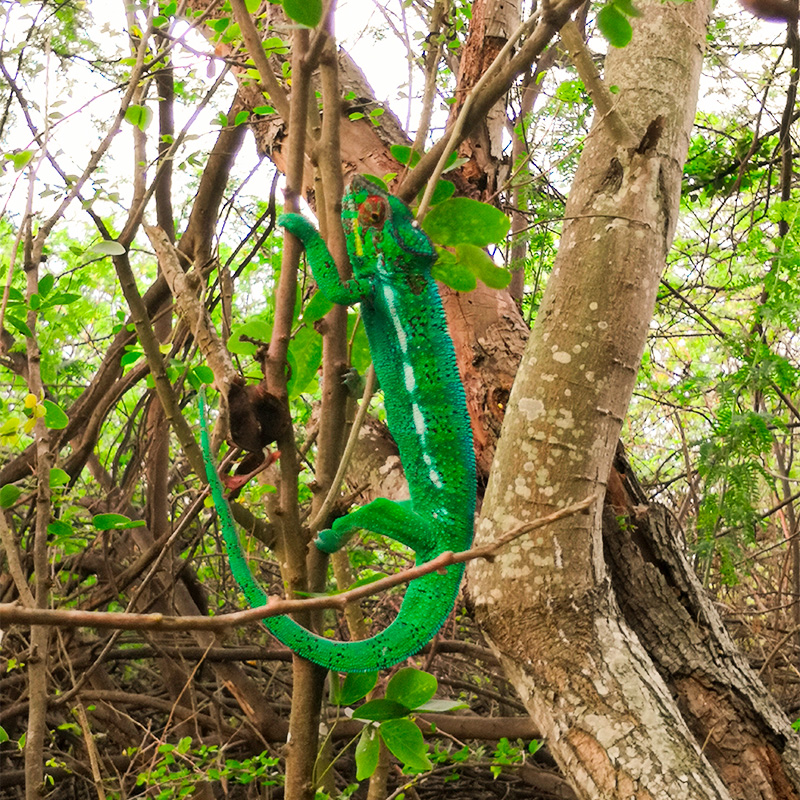
Behavioral and welfare studies require the implementation of relevant behavioral and physiological indicators consistent with the context and species.
These studies help understand the environmental impacts or human pressures on animals. Objectives can vary: beyond knowledge in behavioral sciences, these studies can have management and development applications by evaluating, for example, the impact of tourism or certain infrastructures on free-ranging wild fauna. A comprehensive understanding is necessary, with behavioral and health indicators, and a One Welfare approach.
Health Studies and Sanitary Monitoring
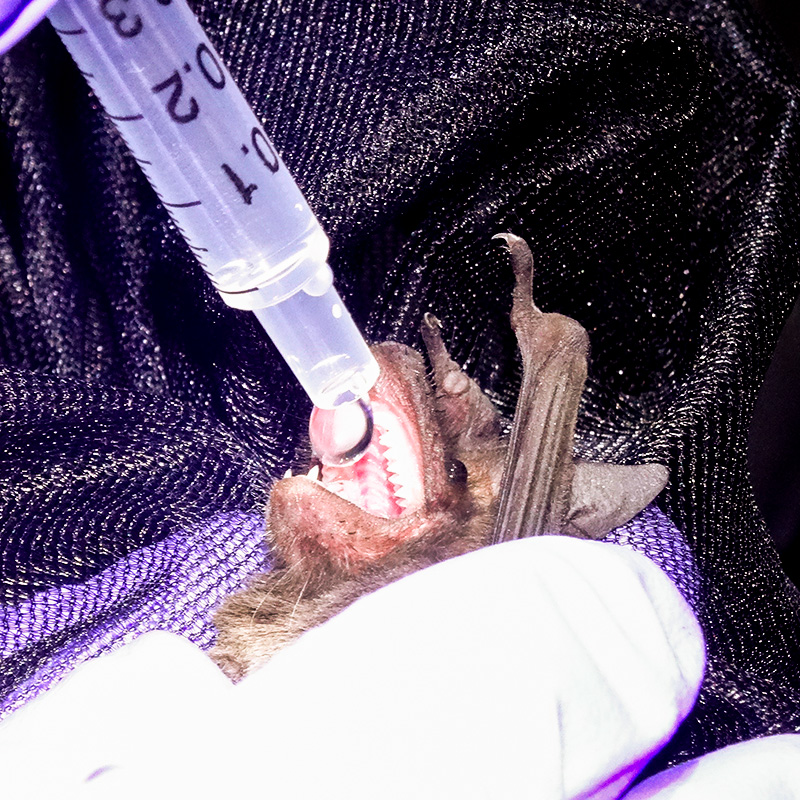
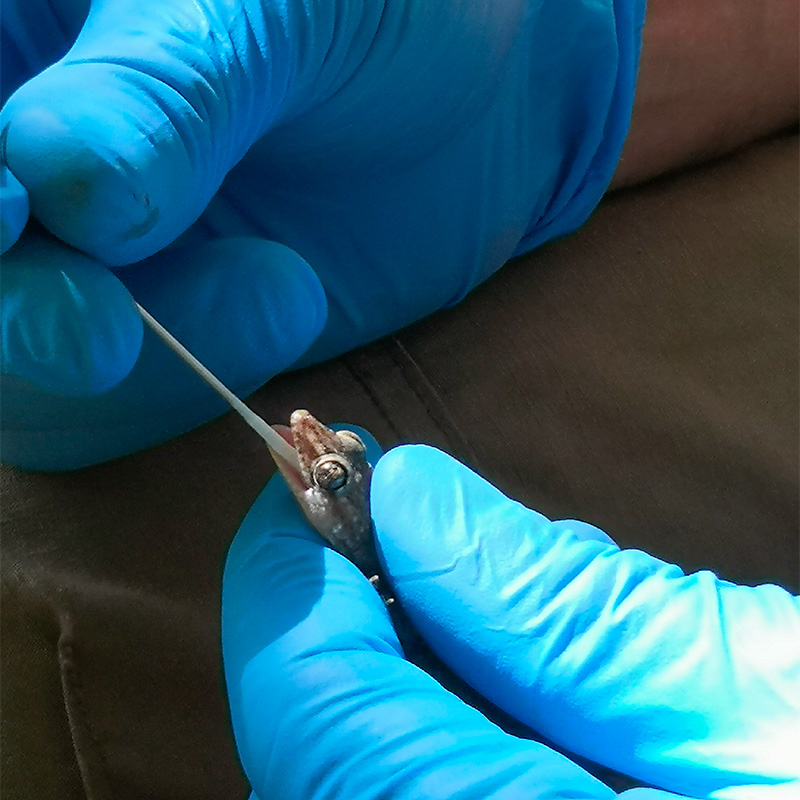
Animal health studies may require veterinary skills for technical procedures: clinical examinations, blood sampling, keratinous tissue sampling, non-invasive biopsies, etc. Health monitoring of wild populations is essential today to study emerging diseases, detect zoonoses, or monitor species-specific pathologies.
This may require establishing management and control protocols by identifying risk factors and measures to limit disease spread.
Scientific Research and Data Collection
Studies conducted on animals in their natural environment require a rigorous and ethical approach. The impact on animal populations must be carefully considered.
This necessitates technical knowledge of the methods used and a good understanding of the related issues and risks. Some NGOs may need scientific and veterinary support to assist them in conservation programs or wild animal population management.
The presence of specialists in animal health and welfare in studies on free-ranging wild fauna is essential to ensure that experiments are ethically responsible, scientifically valid, and compliant with regulations.
SERVICES
VETERISPHERE aims to provide support and assistance to professionals studying free-ranging wild fauna, helping them achieve their research objectives with a focus on a One Welfare approach.
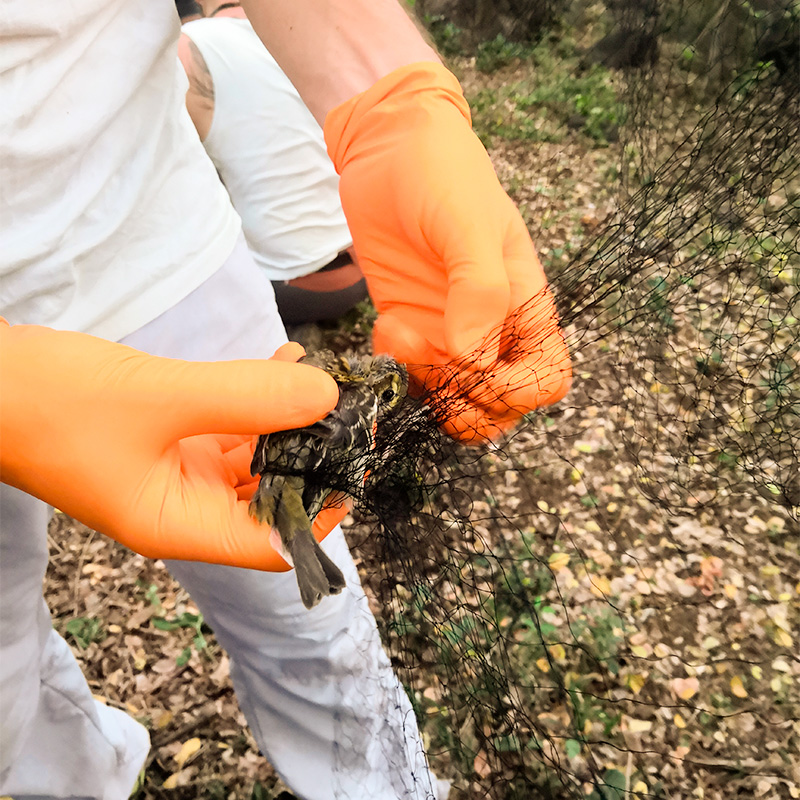
SCIENTIFIC AND TECHNICAL SERVICES
Our theoretical and technical expertise allows us to intervene in various areas: project design involving in vivo studies, implementation of experimental procedures, establishment of specific animal models, studies of functional disorders, etc.
Conducting experimental procedures on free-ranging wild fauna
Supporting research by providing expertise in free-ranging wild fauna health
Designing experimental procedures with a One Welfare approach
Writing projects and other research documents: protocols, grant applications, literature reviews, Project Authorization Requests, etc.
VETERINARY SERVICES
The veterinarian plays a crucial role in activities involving free-ranging wild fauna. Their knowledge of animal health and medicine enables a comprehensive understanding of the challenges and impacts of procedures on animals. This expertise complements that of ecologists, naturalists, and other environmental professionals.
Conducting clinical examinations and health assessments
Supervision and management of a Structure responsible for Animal Welfare
Veterinary care for animals used for scientific purposes
Consulting and support for invasive procedures: anesthesia, analgesia, asepsis, and technical practices
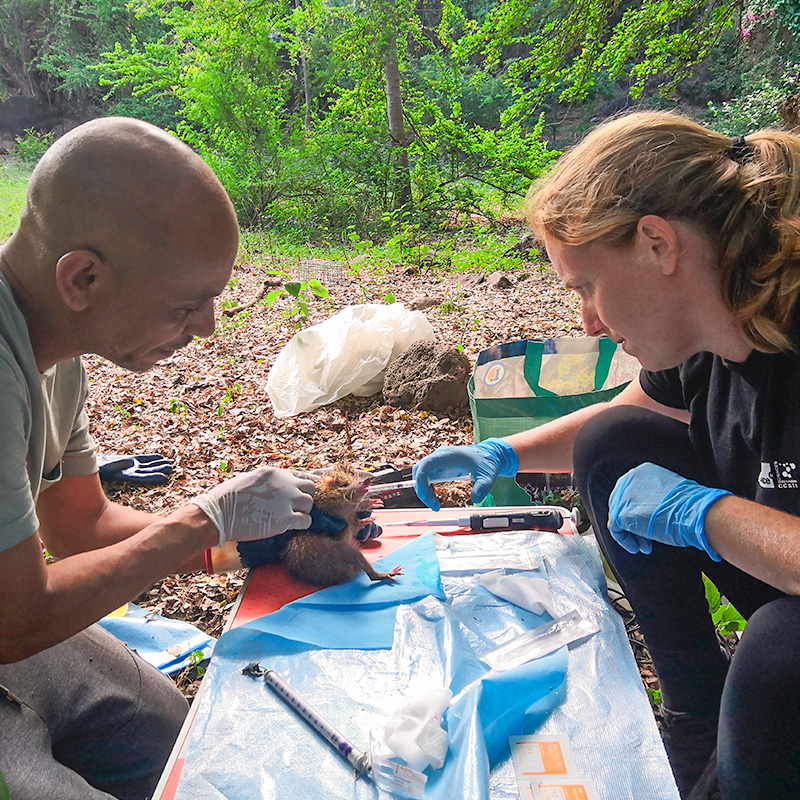

DESIGN AND CONSULTING SERVICES
When using wild fauna for scientific purposes, research teams must comply with current regulations, such as Directive 2010/63/EU in Europe.
However, as this directive is primarily designed for research on laboratory animals, it is often challenging to apply ethical obligations related to the 3Rs and alternative methods. We offer support to professionals who may require assistance, including researchers, naturalists, and public institutions.
Our services and guidance cover all regulatory activities, from the creation to the management of a User Establishment for animals used for scientific purposes.
OUR TRAININGS
VETERISPHERE offers two types of training tailored to your needs: